
You deserve to be
understood
supported
and
known.
Michele L. Lowen, MA, MEd, LPC, NCC
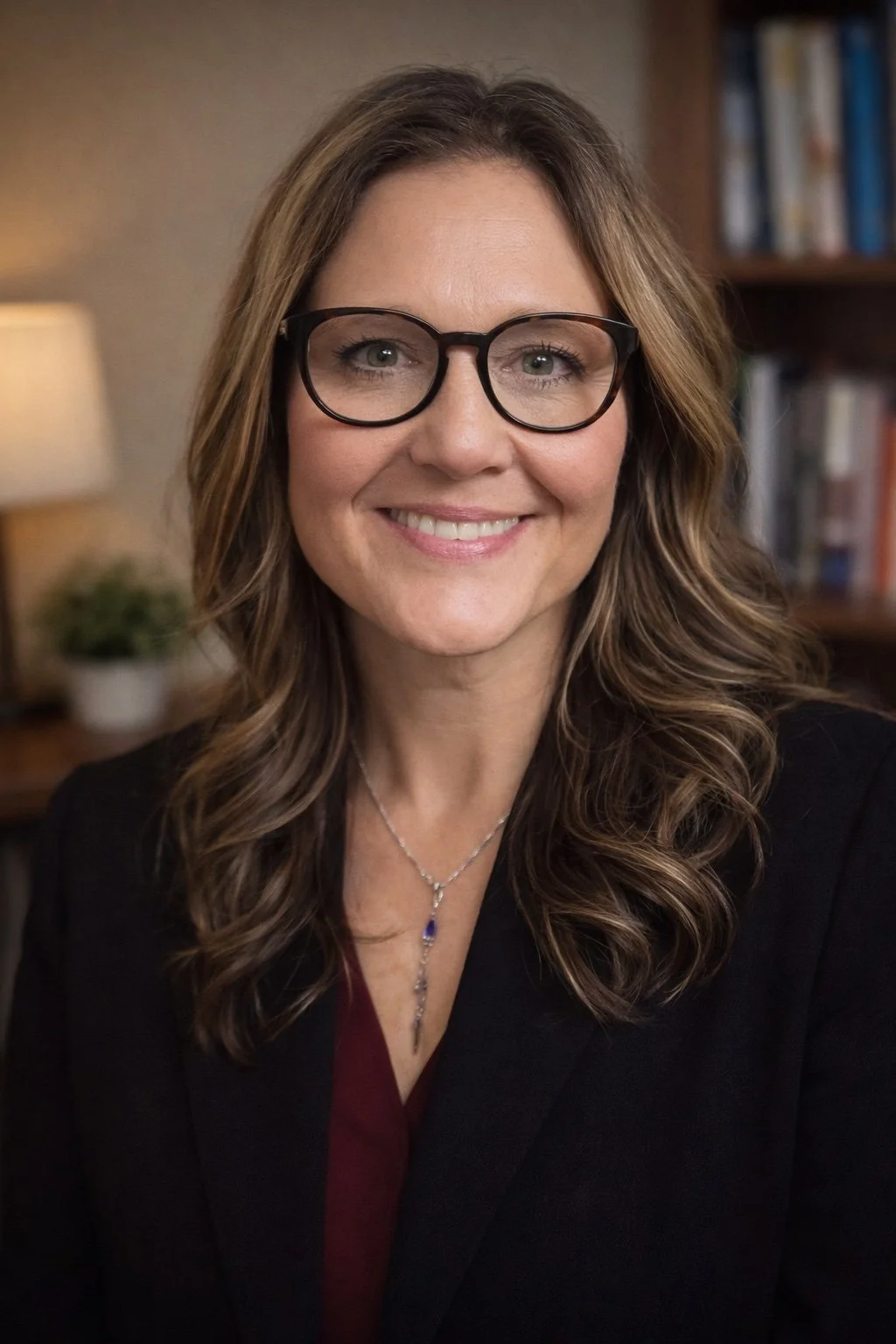
Licensed in Texas and Pennsylvania
Florida Telehealth Provider
NBCC Board Certified
National Certified Counselor
Licensed Professional Counselor
EMDR Certified Therapist
My approach to therapy is integrative and person-centered. I tailor the counseling process to each client’s unique needs, experiences, and goals while creating a supportive, nonjudgmental space where clients feel heard, valued, and understood. I combine evidence-based approaches with genuine connection and compassion to support healing, growth, and emotional well-being.
Therapeutic modalities I incorporate into treatment include EMDR, Internal Family Systems (IFS), CBT, DBT, ACT, Trauma-Informed CBT, Solution-Focused Therapy, Expressive Arts Therapy, Sandplay Therapy, and Person-Centered approaches. I use an integrative approach to tailor therapy to each client’s unique needs, goals, and healing process.
ACT (Acceptance and Commitment Therapy)
Acceptance and Commitment Therapy (ACT) is a mindfulness-based approach that helps clients develop greater psychological flexibility by learning to accept difficult thoughts and emotions while taking meaningful action aligned with their values.
In my practice, ACT helps clients move away from constant emotional struggle or avoidance and toward a more balanced, purposeful, and values-driven life. Rather than trying to eliminate all uncomfortable thoughts or feelings, clients learn healthier ways to respond to them with greater self-awareness and compassion.
I use ACT to help clients:
Develop mindfulness and present-moment awareness
Reduce avoidance and emotional struggle
Increase psychological flexibility and resilience
Clarify personal values and goals
Improve coping with anxiety, stress, and difficult emotions
Take meaningful action aligned with what matters most
I often integrate ACT with other trauma-informed and evidence-based approaches to help clients build both practical coping skills and deeper emotional healing.
EMDR (Eye Movement Desensitization and Reprocessing)
EMDR is one of the primary trauma-informed approaches I use in my practice to help clients process distressing experiences, reduce emotional overwhelm, and move toward lasting healing. I have experience using EMDR with individuals struggling with trauma, anxiety, grief, life transitions, attachment wounds, sexual abuse, chronic stress, and negative self-beliefs that continue to impact present-day functioning.
In my practice, I take time to help clients feel emotionally safe, grounded, and prepared before beginning deeper trauma processing. I integrate nervous system regulation, resourcing, and coping skills into treatment so clients feel supported throughout the process.
I use EMDR to help clients:
Process traumatic memories and distressing life experiences
Reduce anxiety, panic responses, and emotional triggers
Strengthen self-worth and healthier core beliefs
Address attachment wounds and unresolved grief
Improve emotional regulation and daily functioning
Move from survival mode into greater peace, clarity, and confidence
I respect and incorporate clients’ faith when desired, while maintaining an individualized and clinically grounded approach. My goal is to help clients heal in a way that feels safe, empowering, and sustainable.
CBT
Cognitive Behavioral Therapy (CBT) is a practical, goal-oriented treatment approach that helps clients recognize how thoughts, emotions, and behaviors influence one another. I use CBT to help clients identify unhelpful thinking patterns, build healthier coping skills, and create meaningful behavioral changes.
In my practice, CBT is often helpful for individuals experiencing anxiety, depression, stress, low self-esteem, perfectionism, relationship difficulties, and life transitions. I work collaboratively with clients to increase awareness of negative thought patterns while helping them develop more balanced, realistic, and supportive ways of thinking.
I use CBT techniques to help clients:
Identify distorted or unhelpful thought patterns
Reduce anxiety, worry, and catastrophic thinking
Improve emotional regulation and coping skills
Build healthier routines and behavioral habits
Increase confidence and self-esteem
Strengthen problem-solving and communication skills
My approach to CBT is warm, collaborative, and individualized. I believe clients benefit most when therapy feels both practical and emotionally supportive, rather than overly clinical or rigid.
DBT
Dialectical Behavior Therapy (DBT) is a skills-based approach that helps clients improve emotional regulation, distress tolerance, mindfulness, and interpersonal effectiveness. I use DBT-informed strategies to help clients manage overwhelming emotions, reduce impulsive reactions, and build healthier coping patterns.
In my practice, DBT can be especially helpful for individuals struggling with anxiety, emotional dysregulation, stress, relationship difficulties, self-esteem concerns, or feeling emotionally overwhelmed.
I use DBT skills to help clients:
Improve emotional regulation and self-awareness
Develop healthier coping strategies during stress
Reduce emotional reactivity and impulsive behaviors
Strengthen communication and relationship skills
Build mindfulness and grounding skills
Increase resilience and distress tolerance
My approach to DBT is supportive, practical, and collaborative, helping clients apply skills in ways that feel realistic and sustainable in daily life.
Expressive Arts Therapy
Expressive Arts Therapy integrates creative expression into the counseling process to support emotional healing, self-discovery, and stress reduction. This approach may include art, journaling, music, movement, storytelling, creative writing, or other forms of expression to help clients process experiences that may feel difficult to verbalize.
In my practice, I use expressive approaches to help clients connect more deeply with their emotions, reduce emotional overwhelm, and explore their experiences in a safe and meaningful way. Creative expression can often provide insight, release, and healing beyond what traditional talk therapy alone can offer.
I use Expressive Arts Therapy to help clients:
Explore emotions and experiences creatively
Reduce stress, anxiety, and emotional overwhelm
Increase self-awareness and emotional insight
Support trauma processing and nervous system regulation
Improve emotional expression and communication
Encourage healing, creativity, and personal growth
Expressive techniques are always tailored to each client’s comfort level and interests, and artistic skill or experience is never required.
Integrative Therapy
Integrative Therapy is a flexible and individualized approach that combines evidence-based treatment methods to meet each client’s unique needs, goals, personality, and experiences. Rather than relying on a single counseling model, I thoughtfully integrate different therapeutic approaches to create a treatment plan that best supports each individual.
In my practice, I may combine elements of EMDR, CBT, IFS, ACT, DBT, Person-Centered Therapy, trauma-informed approaches, mindfulness, and expressive techniques depending on what will be most effective and supportive for the client.
I use an integrative approach to help clients:
Receive personalized and individualized care
Address emotional, behavioral, relational, and spiritual concerns
Develop practical coping skills and deeper emotional insight
Process trauma and unresolved experiences
Improve emotional regulation and resilience
Create lasting and meaningful change
My goal is to provide therapy that feels collaborative, adaptable, and responsive to each client’s unique journey and healing process.
Internal Family Systems
Internal Family Systems (IFS) is a compassionate, evidence-informed approach that helps clients understand the different “parts” of themselves that may carry pain, fear, shame, anxiety, or protective roles. I use IFS to help clients develop greater self-awareness, self-compassion, and internal balance.
In my experience, many individuals feel frustrated or disconnected from parts of themselves that react strongly emotionally, shut down, people-please, overwork, avoid conflict, or stay stuck in survival patterns. Through IFS, clients begin to understand that these responses often developed as protective strategies rather than personal flaws.
In practice, I help clients:
Identify and understand protective patterns and emotional triggers
Build compassion toward wounded or vulnerable parts of themselves
Reduce shame, inner criticism, and internal conflict
Increase emotional regulation and self-leadership
Heal attachment wounds and trauma responses
Develop healthier relationships with themselves and others
I often integrate IFS alongside EMDR and other trauma-informed approaches to support deeper healing while helping clients move at a pace that feels emotionally safe and manageable.
Person-Centered (Rogerian) Therapy
Person-Centered Therapy, developed by Carl Rogers, is a compassionate and relationship-focused approach that emphasizes empathy, authenticity, and unconditional positive regard. I use this approach to create a safe, supportive environment where clients feel heard, understood, and accepted without judgment.
In my experience, healing often begins when individuals feel emotionally safe enough to explore their thoughts, emotions, experiences, and identity openly. A strong therapeutic relationship can help clients build self-trust, increase confidence, and move toward meaningful personal growth.
In practice, I use Person-Centered principles to help clients:
Feel emotionally safe, supported, and understood
Increase self-awareness and self-acceptance
Process difficult emotions and life experiences
Build confidence and trust in themselves
Strengthen emotional insight and personal growth
Develop healthier relationships and communication patterns
This approach serves as a foundation for many of the other evidence-based therapies I use, helping clients feel empowered and respected throughout the counseling process.
Sandplay Therapy
Sandplay therapy is a powerful, expressive, and trauma-informed approach that allows clients to explore emotions, experiences, and internal conflicts in a nonverbal and creative way. Using a sand tray and carefully selected miniature figures, clients can create scenes that reflect their inner world, experiences, relationships, and emotions.
In my experience, Sandplay can be especially helpful for clients who have difficulty putting painful experiences into words or who feel emotionally stuck, overwhelmed, or disconnected from their emotions. This approach can support children, adolescents, and adults in accessing deeper emotional processing.
In practice, I use Sandplay to help clients:
Process trauma and difficult life experiences
Explore emotions that may feel difficult to verbalize
Increase self-awareness and emotional insight
Support nervous system regulation and grounding
Work through attachment wounds, grief, anxiety, and stress
Encourage creativity, expression, and healing
I often integrate Sandplay with EMDR, IFS, and other holistic approaches to support deeper emotional healing and self-understanding. My goal is to create a calm, supportive environment where clients feel safe exploring their experiences at their own pace.
Solution-Focused Brief Therapy (SFBT)
Solution-Focused Brief Therapy (SFBT) is a strengths-based and goal-oriented approach that helps clients focus on solutions, progress, and existing strengths rather than remaining centered only on problems. I use SFBT to help clients identify practical steps toward change while building confidence and hope.
In my experience, clients often already possess strengths, resilience, and resources that can support healing and growth. SFBT helps bring awareness to what is already working while creating realistic and achievable goals for the future.
I use SFBT techniques to help clients:
Identify strengths and existing coping skills
Develop clear and achievable goals
Increase confidence and motivation for change
Build practical solutions to current challenges
Recognize patterns of progress and success
Create meaningful change in manageable steps
This approach can be especially helpful for clients seeking practical support, short-term goal work, or focused problem-solving strategies.
Trauma-Informed CBT (TF-CBT)
Trauma-Informed Cognitive Behavioral Therapy (TF-CBT) is an evidence-based approach designed to help individuals process trauma while building coping skills, emotional regulation, and a greater sense of safety. I use trauma-informed CBT principles to support clients in understanding how trauma impacts thoughts, emotions, behaviors, relationships, and the nervous system.
In my practice, I provide a safe and supportive environment where clients can process difficult experiences at a pace that feels manageable and emotionally safe. I integrate coping skills, grounding techniques, psychoeducation, and trauma processing strategies to help clients move toward healing and stability.
I use Trauma-Informed CBT to help clients:
Understand the impact of trauma on mental and emotional health
Reduce anxiety, fear, shame, and trauma-related symptoms
Develop healthy coping and emotional regulation skills
Strengthen feelings of safety and self-worth
Process distressing experiences in a supportive environment
Improve daily functioning and resilience
My approach is compassionate, collaborative, and focused on helping clients feel empowered throughout the healing process.
Walk & Talk Therapy
Walk and Talk Therapy combines traditional counseling with movement and the calming benefits of being outdoors. Rather than meeting solely in an office setting, sessions may take place while walking in a public outdoor environment. Indoor walking is also an option. Let me know if you would like to discuss options!
In my experience, movement and nature can help clients feel more relaxed, grounded, and emotionally open during the therapeutic process. Walking side-by-side may also reduce feelings of pressure or intensity that can sometimes occur in traditional office-based therapy.
Walk and Talk Therapy may be especially beneficial for clients experiencing stress, anxiety, burnout, life transitions, grief, or emotional overwhelm.
In practice, this approach can help clients:
Reduce stress and anxiety
Improve mood and emotional regulation
Feel more grounded and present
Increase comfort during difficult conversations
Support mind-body connection and overall wellness
Create a more relaxed and natural therapy experience
Client comfort, confidentiality, and safety are always prioritized when determining whether Walk and Talk Therapy is an appropriate fit.
Reviews

“The work I’ve done with Michele has not been easy, but it has been well worth it. It was an emotional process, but we did the work together. I am optimistic and in a much better place. I would definitely recommend EMDR with Michele for anyone struggling with trauma. You can heal with EMDR and with the right guide for healing. Michele has been that for me and I am very grateful because I could not have done it without her.”
- Optimistic in Texas

“Michele is a kind, compassionate, and caring counselor. She listened to my issues and planned an approach using EMDR therapy. I’m glad I found her and would recommend her to others.
- Texas Client